Studio P9 Home

Category

Creative Education

7 articles

The Productive Fence: Why the Best Creative Studios Deliberately Narrow Their Options

The Productive Fence: Why the Best Creative Studios Deliberately Narrow Their Options

Unlimited creative freedom is not the ideal working condition it is often imagined to be. The most disciplined studios in the country have discovered that deliberately imposed limitations—narrow palettes, rigid structural systems, compressed revision windows—produce faster decisions and more coherent outcomes. This is an examination of the psychology and strategy behind creative constraint as a professional practice.


The Work That Never Shipped: Why America's Sharpest Studios Treat Rejected Concepts as a Strategic Resource

The Work That Never Shipped: Why America's Sharpest Studios Treat Rejected Concepts as a Strategic Resource

Every production studio accumulates a private archive of killed concepts, abandoned directions, and pivoted campaigns. The studios that learn the most from their creative industries are the ones who refuse to let that archive gather dust. Studying the work that never ships is one of the most underutilized disciplines in professional creative practice—and it may be the most honest education available.

The Power of No: Why America's Most Respected Creative Studios Treat Selective Refusal as a Core Competency

The Power of No: Why America's Most Respected Creative Studios Treat Selective Refusal as a Core Competency

The studios that have built the most enduring bodies of creative work in America share a counterintuitive discipline: they turn down more projects than they accept. Far from a luxury reserved for the already-established, intentional refusal is itself a creative strategy — one that protects quality, strengthens client relationships, and defines the long arc of a studio's identity.

The Last Ten Percent: Why the Finishing Details Determine Whether Creative Work Is Remembered or Forgotten

The Last Ten Percent: Why the Finishing Details Determine Whether Creative Work Is Remembered or Forgotten

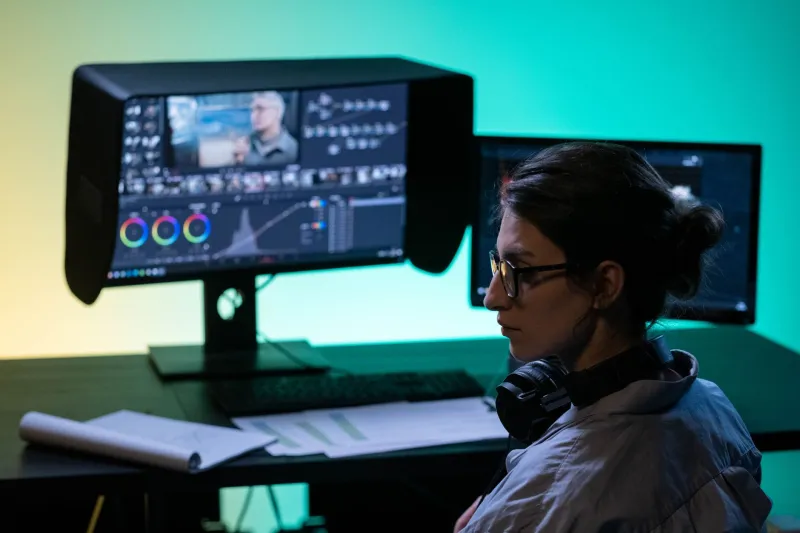
The difference between work that is technically accomplished and work that is genuinely unforgettable is almost never found in the concept or the production — it is found in the final ten percent. Color grading, typographic refinement, sound design, the last copy pass: these are the details audiences never consciously register but always feel. For studios and creatives who hold themselves to the highest standard, this final stage is not a formality — it is the work itself.

The Myth of the Lone Visionary: Why America's Greatest Creative Work Is Always a Team Sport

The Myth of the Lone Visionary: Why America's Greatest Creative Work Is Always a Team Sport

The romantic image of the solitary genius — the director who sees what no one else can, the designer who conjures brilliance alone at 3 a.m. — is one of the most persistent and damaging myths in the American creative industry. The data, the history, and the actual credits tell a different story entirely. The most iconic work of the last decade was built in rooms, not isolation.

Nine Craft Principles That Define Studio-Level Visual Storytelling

Nine Craft Principles That Define Studio-Level Visual Storytelling

The distance between amateur visual content and professional studio work is not measured in budget — it is measured in intention. Nine foundational techniques distinguish creators who simply produce content from those who tell stories with precision and impact. Whether you are an aspiring filmmaker, a small business owner in the US, or a brand looking to elevate your media presence, these principles are entirely within reach.